


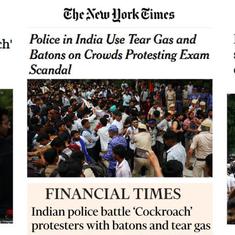


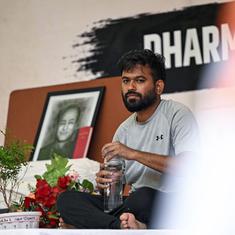

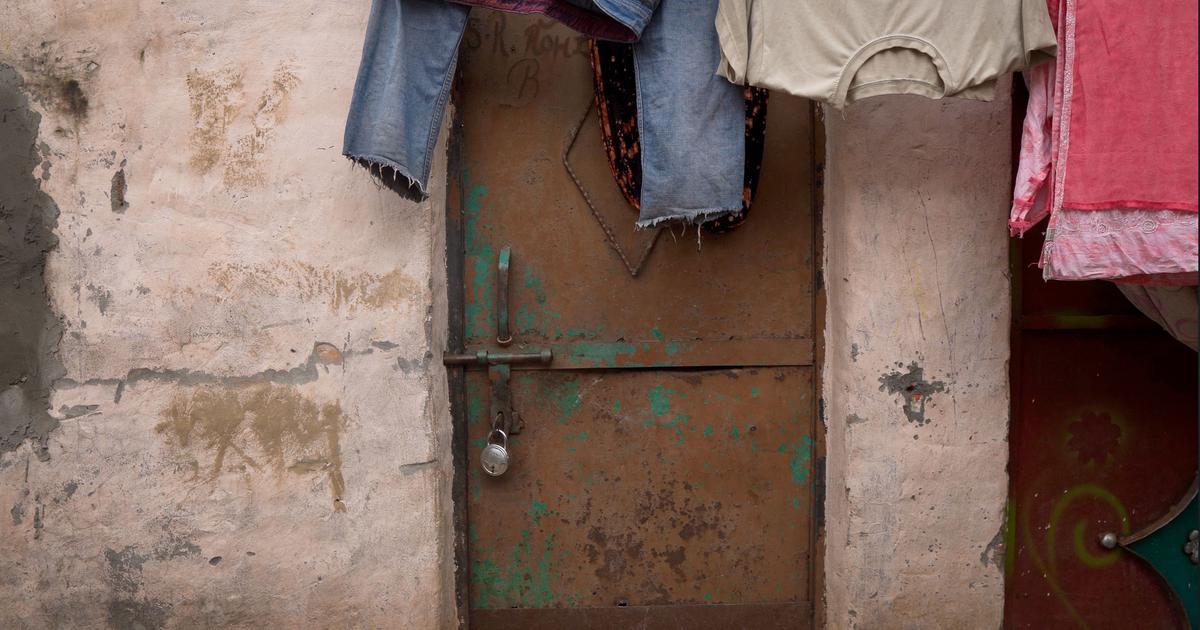
Mehebub Sheikh from Murshidabad, West Bengal, was detained by Maharashtra Police on June 9. Four days later, he was forced into Bangladesh, he said. Sunali Khatun from Birbhum, her husband and son were taken into custody in Delhi on June 20. All three were sent to Bangladesh six days later, police documents show.
In both cases, the police failed to follow the process for such deportations laid down by the Ministry of Home Affairs, Scroll has found.
In a letter sent to all states and union territories on May 2, the home ministry had mandated that suspected illegal immigrants be detained in a “holding centre” for 30 days while authorities in their declared home states and districts are asked to verify their claims of citizenship.
Had the police in Mumbai and Delhi waited for a verification report from West Bengal, they would have learnt, as Scroll did while reporting from the state, that both Sheikh and Khatun belong to families with land records dating back several generations.
Despite having documents that prove they are Indian citizens, Sheikh and Khatun ended up in Bangladesh. Sheikh is back in West Bengal. But Khatun, who is pregnant, and her family are still stranded across the border, where they are battling the charge of being “illegal infiltrators”.
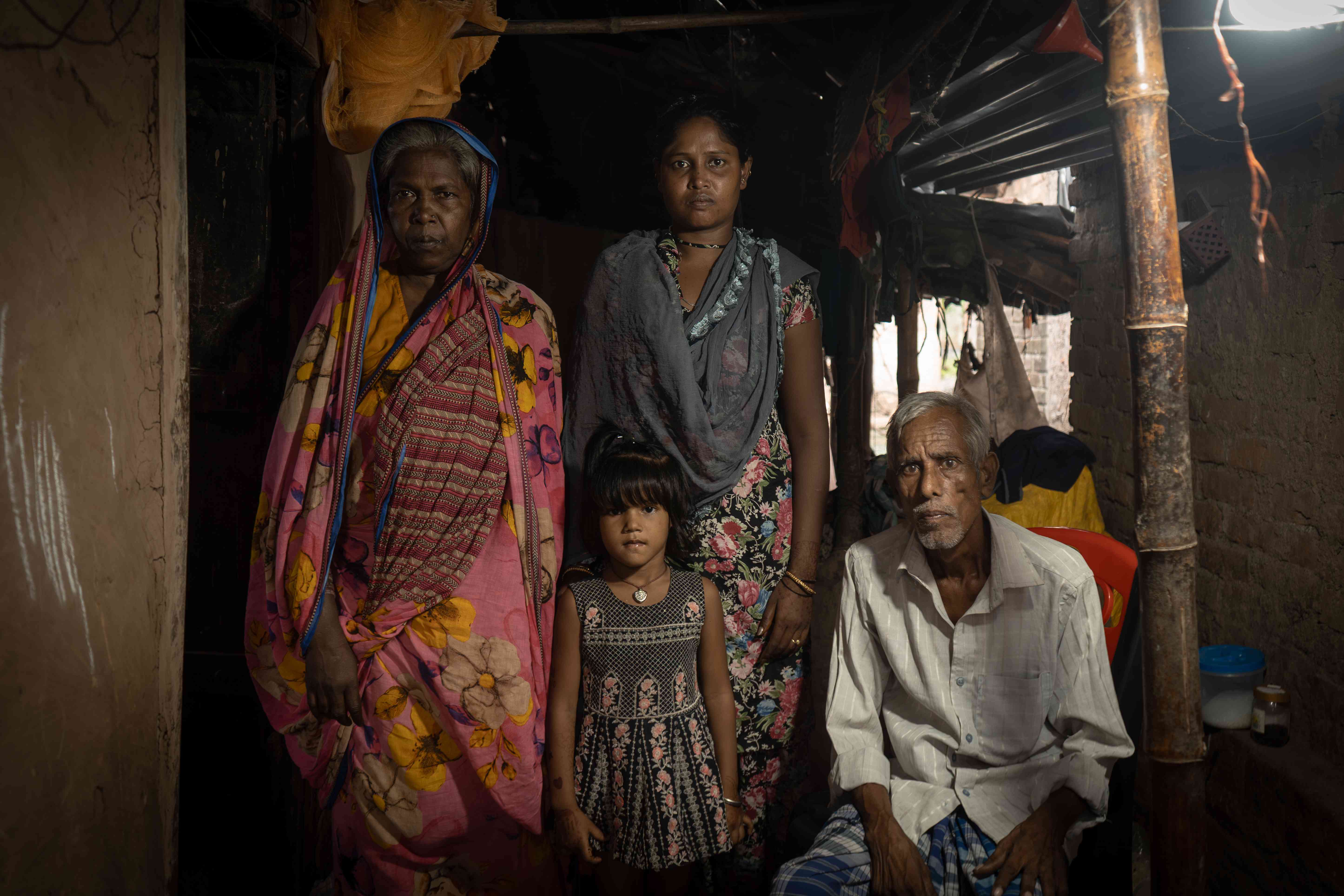
Cases like theirs have ignited a federal firestorm with the Trinamool Congress government in West Bengal accusing Bharatiya Janata Party governments at the Centre and in states of targeting and harassing Bengali migrant workers.
Investigating such cases on the ground, Scroll found three instances where Indian citizens had been wrongly deported to Bangladesh because the police in BJP-ruled states had failed to follow due process.
But many have argued the process itself is flawed. A Trinamool MP has even petitioned the Supreme Court asking for the May 2 home ministry letter to be withdrawn on the grounds that it is unconstitutional.
As Bengali-speaking migrant workers are detained in BJP-ruled states and accused of being illegal immigrants, Scroll travels to rural West Bengal to meet families forced to prove they are Indians. Read the series here.
A controversial change
On May 2, ten days after the Pahalgam terror attack claimed 26 lives, the home ministry revised the process for detecting and deporting Bangladeshis and Rohingyas staying illegally in India. The new instructions, which ran into eight pages, cut short the earlier procedure which required police to verify the nationality of suspected Bangladeshis with the Bangladesh High Commission.
The police are now allowed to detain people on the mere suspicion of being Bangladeshis and push them across the border. Only if those detained claim to be Indian citizens, the revised process provides a 30-day verification window before deportation.
Curiously, this document from the ministry, which is not publicly available but of which Scroll has a copy, does not specify the need for revising the process of deporting illegal foreigners. It merely referenced older letters from the ministry on this subject.
But even the revised instructions were not followed by police officials across several states ruled by the BJP.
For example, the ministry’s letter said that the foreigners registration officer can deport suspects only if their supposed home states do not tender their reports within 30 days.
Responsible for monitoring foreigners living in India, foreigners registration officers work for the Bureau of Immigration, which comes under the home ministry. In places where the ministry does not have foreigners regional registration offices, the local superintendent of police doubles up as the foreigners registration officer.
We found in the cases of Sheikh and Khatun that the deportation process was initiated by a foreigners registration officer within a week of detention, and not after 30 days.
When we asked officers from the police stations where Sheikh and Khatun were detained whether they had sought reports about them from the Murshidabad and Birbhum districts of West Bengal, they did not give a clear response. All they said was that the deportations were ordered by the foreigners registration officers. The director generals of police in Maharashtra and Delhi did not respond to questions sent to them by email.
A police officer in Paikar village, Birbhum, said that they heard about Khatun’s case only after she was sent to Bangladesh. In Murshidabad, local police stepped in after Mehebub was pushed across the border and helped bring him back, his family told Scroll.
Amir Sekh of Malda district, a migrant worker who was picked up in Bhilwara, Rajasthan, on June 25, said he was kept in detention for weeks before being expelled. But unlike Sheikh and Khatun, whose families said they were produced before the foreigners registration officers, he did not recall being taken before one.
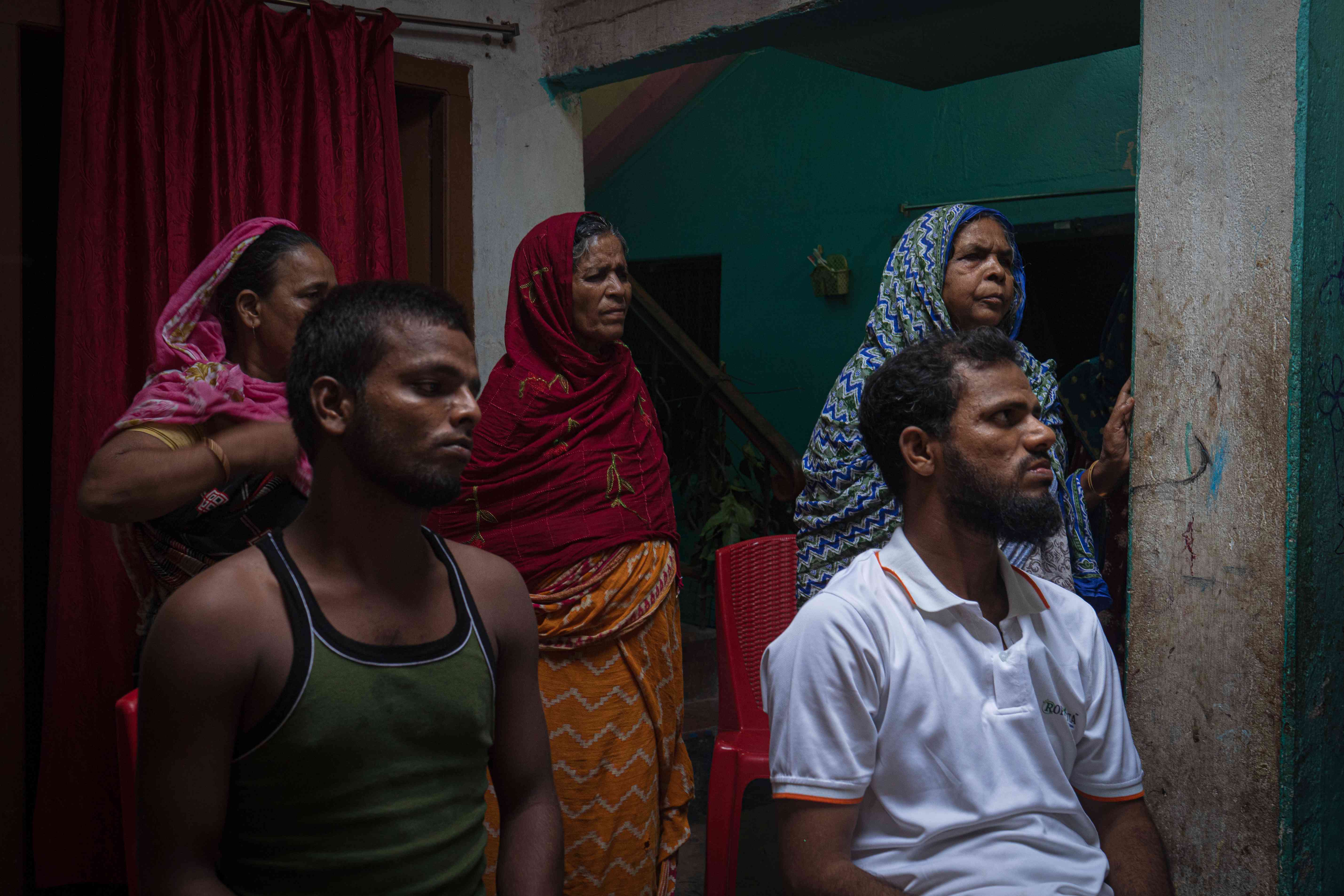
An officer at the Pratap Nagar police station in Bhilwara, where Amir was detained, declined to comment on the case citing “internal security”. The district superintendent of Bhilwara and the director general of police in Rajasthan did not respond to questions sent to them.
Amir was brought back to India on August 13 after his father moved a habeas corpus petition in Calcutta High Court. In court, the Border Security Force claimed that Amir was caught trying to cross the border to enter India. It did not say how he reached Bangladesh in the first place.
However, Amir’s family shared recordings of phone calls they received from BSF officers a day before the court hearing scheduled for August 13. In those calls, officers can be heard reassuring the family that Amir was in their care and asking them to quietly take him away.
“We are taking a lot of risk to do this,” an officer said to him on one of the calls. “The law does not allow it.”
When Scroll contacted this officer, he confirmed that he worked for the BSF before disconnecting the call.
As more such cases of Bengali migrant workers being detained in BJP-ruled states came to light and triggered panic in West Bengal, both the Trinamool government and the party’s elected representatives began to deal with them more proactively.
In Odisha, hundreds of Bengali migrant workers from several districts, including 27 people from the district of Nadia, were detained on July 9. The same day, Trinamool MP Mahua Moitra posted police verification reports on social media to pressure the government of Odisha into releasing the detainees. Over two dozen migrant workers were released.
Citizenship documents
In their drives to detect illegal immigrants, the police not only bypassed the required verification by West Bengal, interviews with the families of migrant workers suggest a lack of consistency in the process followed to ascertain their identity.
Mehebub Sheikh, for example, was told by the police in Maharashtra that his voter card did not prove his citizenship. But in Rajasthan, police insisted that 19-year-old Amir Sekh produce his voter card.
Amir’s family showed the Rajasthan police his school on a video call, his uncle Ajmaul said. But it did not help his case. For the Rajasthan police, it was not enough that Amir possessed a birth certificate – a rare document, given that most children in rural India were born at home till recently. But the police in Delhi refused to release Sunali Khatun without seeing her birth certificate, her sister Karishma told Scroll.
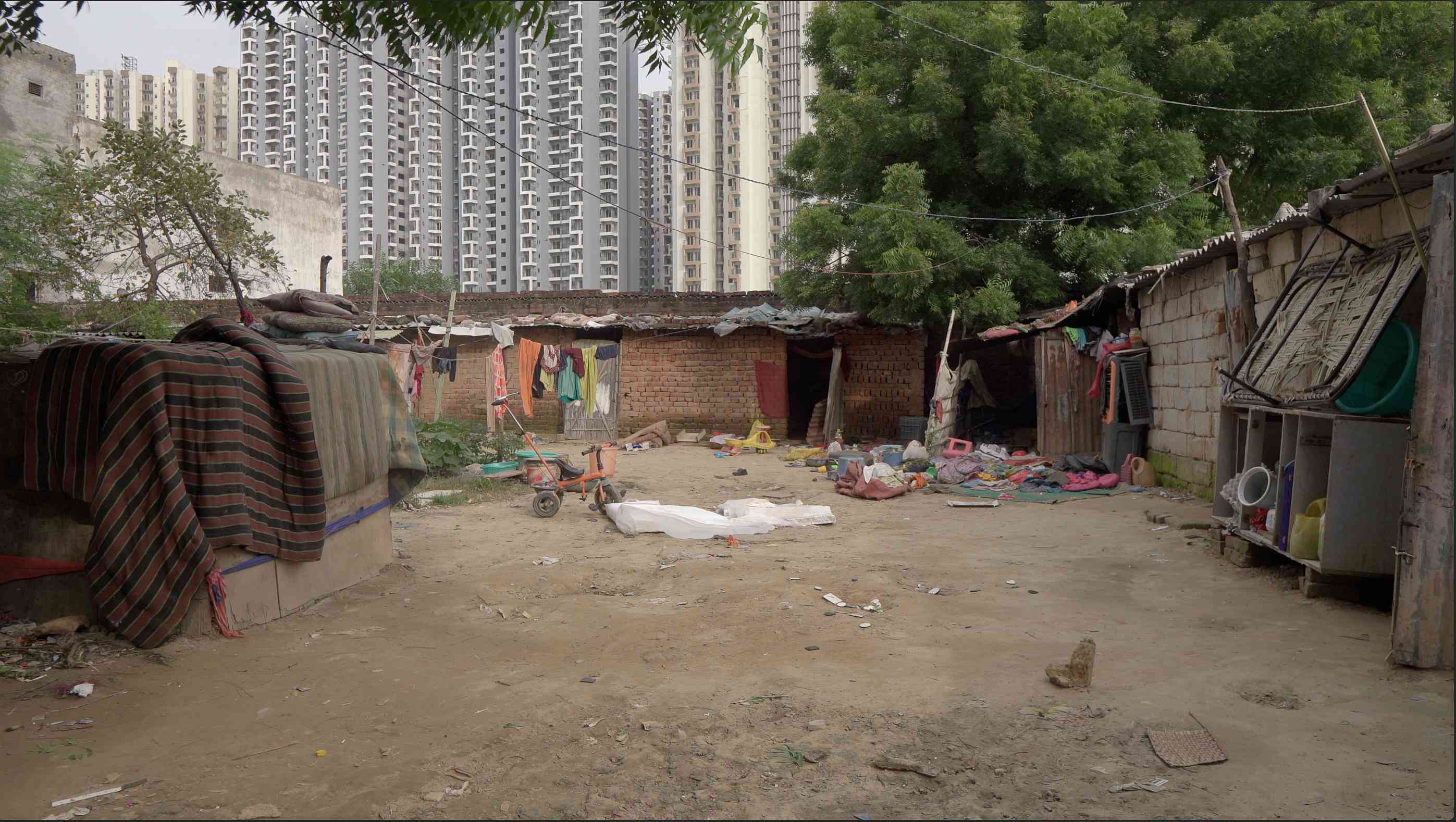
Karishma alleged corruption on the part of police officials in Delhi. She claimed that the police had picked up many residents from their slum on June 20. “They took bribes of Rs 5,000-Rs 10,000 and let most of them go but not my sister,” she said. “Later, a police officer told me that they would have released her if we had given them Rs 30,000 that night.”
A police officer from KN Katju Marg police station in Delhi denied the allegation.
In Malda, Amir’s uncle, Ajmaul Sekh, also echoed the corruption charge. “One of the officers who called us from Rajasthan asked us to come there with Rs 50,000,” he claimed. “We could not do that. We don’t have so much money.”
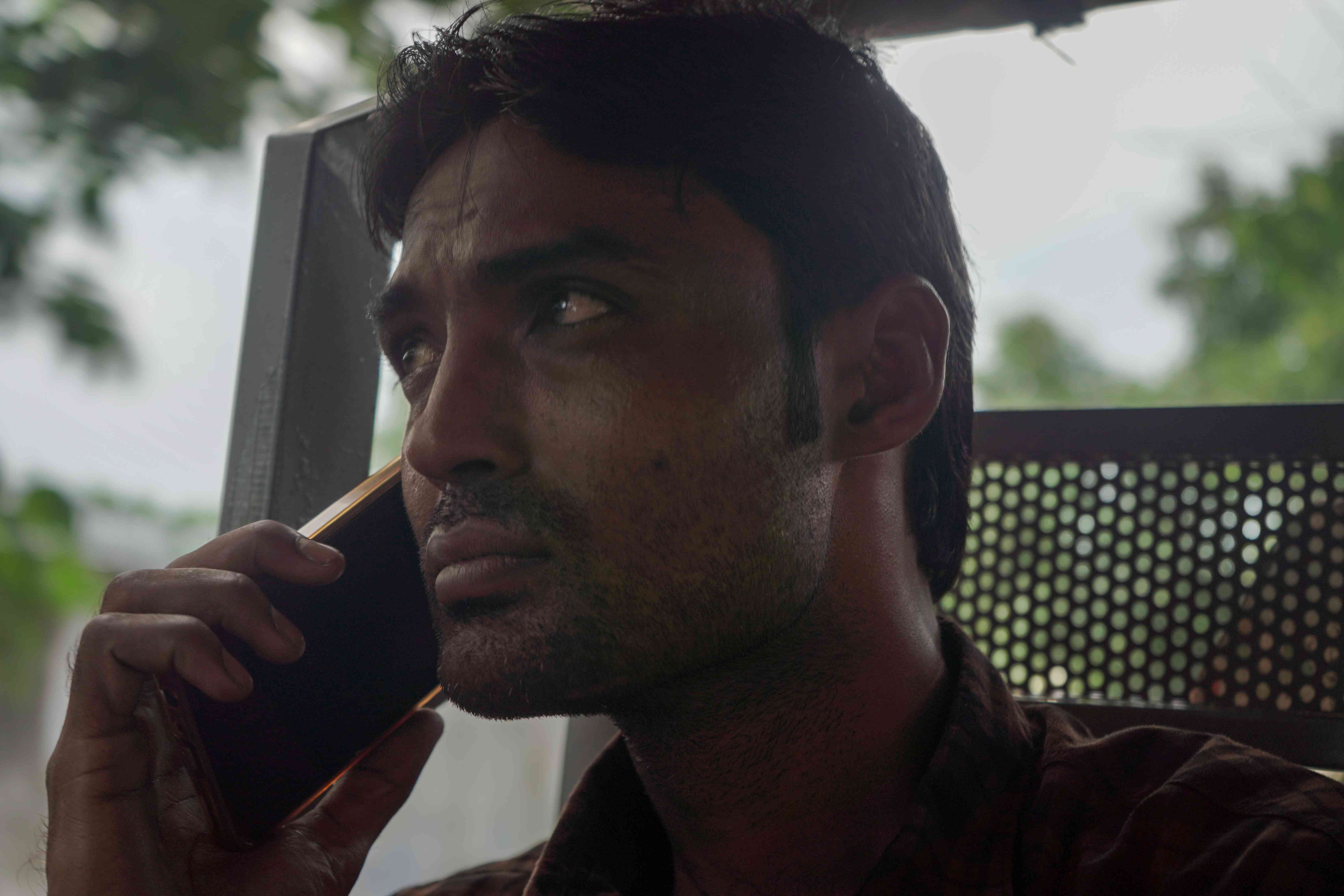
The manner in which the police investigated suspects has drawn scrutiny too. Mehebub Sheikh said that he was asked to sing the national anthem to prove that he is an Indian.
“I sang most of it correctly but I fumbled in one place,” he remembered. “I was very nervous.”
A challenge for Indian federalism
Trinamool has held up such examples to frame the police drives against undocumented migrants as “anti-Bengali”. Ever since Chief Minister Mamata Banerjee launched a Bhasha Andolan, or a language movement, in late July, she has sought to cast the issue in federal terms.
In speech after speech, Banerjee has claimed that West Bengal sends out only about 22 lakh migrants to work in other states while absorbing over 1.5 crore such workers from elsewhere. “If we can accommodate them, why should our people be harassed?” she asked at an event on August 14. Scroll could not independently verify the data cited by Banerjee.
A Rajya Sabha MP from her party, Samirul Islam, who also heads the West Bengal Migrant Workers Welfare Board, has challenged the home ministry letter in the Supreme Court.
“The Union’s unilateral action undermines states’ roles in law and order, hampers lawful migration management, and fosters injustice,” his petition says. The next hearing in the case is scheduled for September 11.
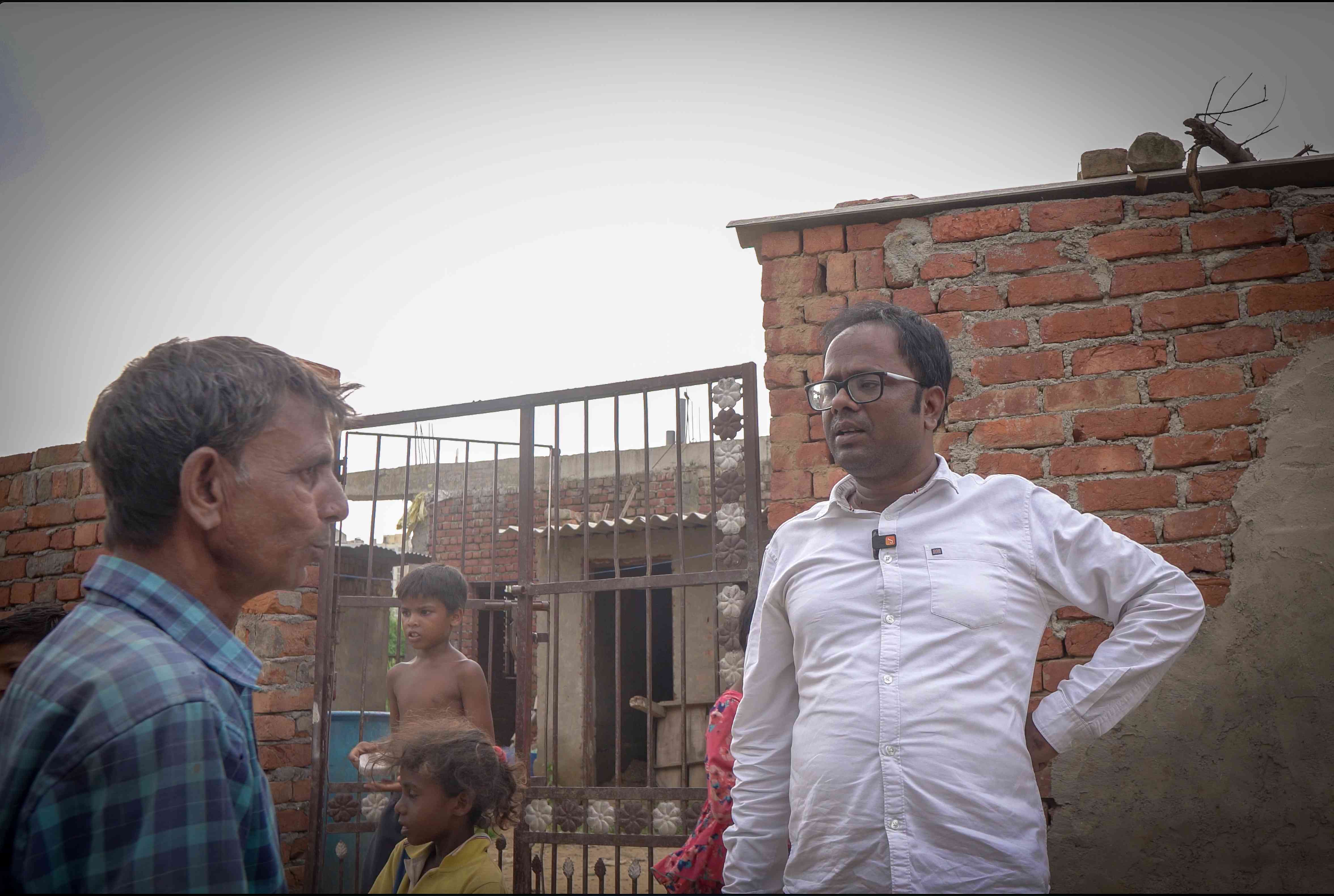
KR Shiyas, one of the lawyers appearing in the case, told Scroll that the home ministry had erred by allowing foreigners registration officers to ascertain the citizenship of suspects. Only foreigners tribunals of the kind that exist in Assam have the power to do so, he argued.
“They are circumventing the established procedure because they know that it is time-consuming,” Shiyas said.
The court case points to a breakdown in Centre-state relations when it comes to West Bengal. On August 22, Prime Minister Narendra Modi strengthened this view while talking about so-called illegal immigration during a rally in Kolkata.
“Those who have come here only to snatch the livelihoods of our people, those who are staying here with fake documents will have to go,” Modi said, drawing loud cheers from the crowd. “For that to happen, the TMC [Trinamool Congress] government, too, has to go.”
Fear in Bengal
Travelling through the West Bengal districts of Birbhum, Malda and Murshidabad, we found that people have been deeply affected by these political debates. Those like Mehebub Sheikh, who have returned from Bangladesh, now live under new constraints. Their families have forbidden them from venturing out of the state for work, fearing a repeat of what had happened.
In Murshidabad, Nur Hossain Sheikh, who played a key role in producing documents that helped bring his nephew Mehebub back from Bangladesh, asked: “What should we do with all the people from Punjab, Haryana and Rajasthan who live and work in Bengal? Shall we push them out too?”
On August 18, the government of West Bengal launched a new scheme for migrant workers who have returned to West Bengal after the police drives. Under the scheme, they are entitled to monthly assistance of Rs 5,000 for a year. But Amir Sekh’s uncle, Ajmaul, was not enthused by the idea.
“What can you do with Rs 5,000 in this day and age?” he lamented. “Amir is his parents’ eldest child. He has to provide for his family.”
Kurban Sekh, Amir’s grandfather, said he could not fathom how much India had changed in the last four decades. As a young man, he too worked on numerous road construction projects in Haryana, Punjab and Uttar Pradesh.
“Nobody would bother to ask me where I am from,” he recalled. “If someone did ask and I told them that I was from Malda, they would treat me with respect because I came from the land of Ghani Khan Choudhury.”
Choudhury represented Malda in the Lok Sabha for several years and served as a minister in Indira Gandhi’s cabinet. His nephew, Isha Khan Choudhury, is the current Malda MP. While the Choudhury family has retained its place in politics, Bengali Muslim migrant workers from the region now face new threats.
“Amir will go out to work again when he is ready,” his grandfather proclaimed. “But I do worry about him. I keep hearing that these days workers are questioned a lot everywhere, even on trains. It was nothing like this before.”
All photographs by Raghav Kakkar.
